Compare Local Contractors for Your Tub Conversion Needs
Compare local contractors for tub conversions to clarify scope, verify experience, and establish clear expectations for a successful renovation.
Tub conversion projects typically involve transforming an existing bathtub into a different type of bathing or showering space. This work can include replacing a traditional tub with a walk-in shower, installing a new shower base, updating fixtures, or modifying surrounding walls and tiling. Contractors handling these conversions often work to improve accessibility, enhance aesthetics, or optimize space within bathrooms. Understanding the scope of the work helps property owners clarify what is included, such as demolition, plumbing adjustments, waterproofing, and finishing touches, ensuring the project aligns with their needs and expectations.
Defining the scope of a tub conversion is essential for establishing clear project boundaries and avoiding misunderstandings. Property owners should specify details like the desired final layout, fixtures, and any accessibility features. Documenting these expectations in writing can help prevent scope creep and provide a reference for both parties. Discussing the extent of demolition, the types of materials used, and the finishes involved ensures that contractors understand the full scope of work, which supports smoother project execution and better communication throughout the process.
When comparing local contractors for tub conversion work, property owners should evaluate experience with similar projects, review credentials, and verify references or past work. It’s beneficial to ask about their familiarity with different types of conversions and the methods they use to ensure quality results. Comparing service providers based on their approach to defining scope, communication practices, and professionalism can help identify those best suited to meet specific project needs. Gathering multiple perspectives and clarifying expectations upfront can lead to a more successful conversion that aligns with the property owner’s goals.
Compare local contractors by outlining project priorities, verifying experience, and establishing clear expectations in writing.
- Verify Experience - Ensure contractors have relevant experience with tub conversions to assess their capability.
- Define Scope Clearly - Clearly outline the work to be done to avoid misunderstandings and set accurate expectations.
- Compare Multiple Contractors - Review different service providers to evaluate their offerings and expertise.
- Document Agreements - Keep all project details and expectations in writing for clarity and reference.
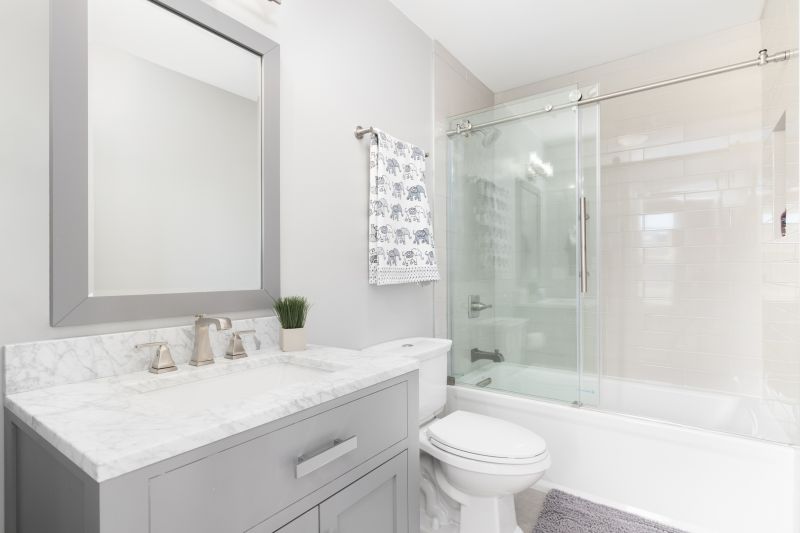
Before comparing contractors for your tub conversion, clearly describe your project scope and verify their experience.
- Verify the contractor’s experience with tub conversions to ensure familiarity with the scope of work. - Review past projects or references related to tub conversions to assess quality and expertise.
- Define the scope of work clearly in writing to avoid misunderstandings about materials, fixtures, and finishes. - Ensure all details are documented, including demolition, installation, and any additional features.
- Compare multiple local contractors to evaluate their approaches, communication, and professionalism. - Seek detailed proposals that outline the work process and materials involved.
- Check if the contractor can provide a detailed project plan and set clear expectations for the job. - Confirm that the scope, deliverables, and responsibilities are explicitly outlined in the agreement.
- Assess the contractor’s ability to handle plumbing and structural modifications needed for the conversion. - Confirm they have experience with the specific technical aspects of tub conversions.
- Ensure the contractor is willing to provide a written contract that covers all aspects of the project scope and terms. - Review the contract carefully before signing to verify all agreed-upon details are included.
Use Tub Conversion to compare contractor experience, clarify scope, and set clear project expectations.

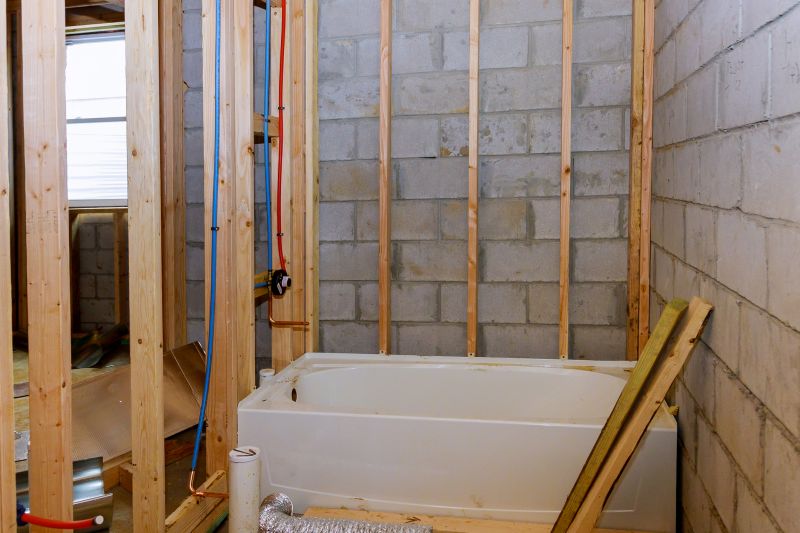
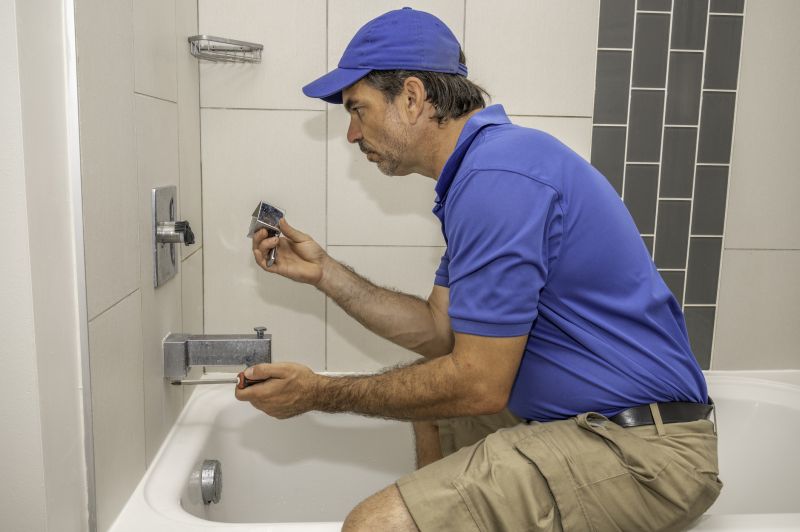
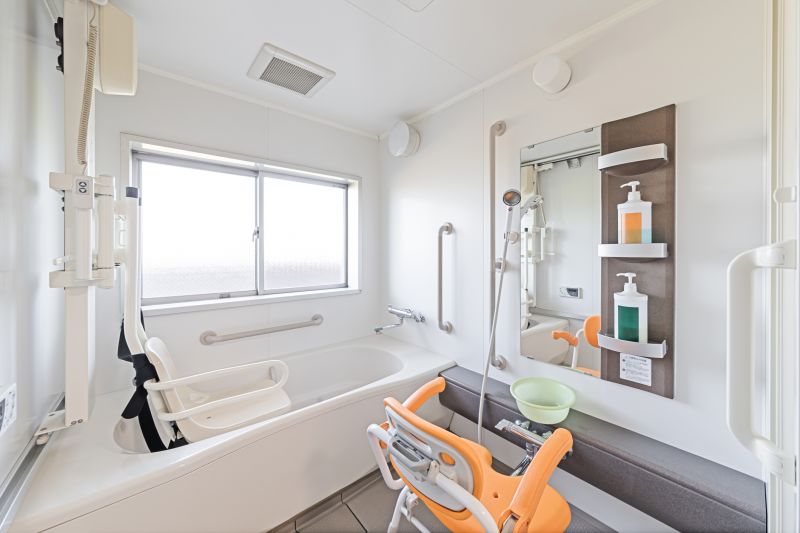
Learn how to compare local contractors for tub conversions by defining scope, verifying experience, and maintaining consistent comparison standards.
- Project Scope - Clearly define the specific changes needed for the tub conversion, including materials, fixtures, and layout adjustments.
- Material Selection - Identify the types of materials and finishes desired for the new tub and surrounding areas.
- Work Area Details - Outline the dimensions, existing plumbing, and structural considerations relevant to the conversion process.
- Experience and Expertise - Verify that local contractors have experience with tub conversions similar to the project scope.
- Written Expectations - Establish and document the scope of work, responsibilities, and any special requirements in writing.
When evaluating contractors for a tub conversion, it is important to consider their experience with similar projects. Homeowners should inquire about the types of conversions the contractor has completed, paying attention to the complexity and scope of those jobs. An experienced service provider will have a track record of handling conversions that match the specific needs of the space, whether it involves replacing a traditional tub with a walk-in shower or altering the plumbing setup. Verifying the contractor’s background with past projects can help ensure they have the practical knowledge necessary to manage the unique challenges that may arise during the conversion process.
A clear and detailed written scope of work is essential when comparing service providers. Homeowners should request a comprehensive description of what the project will include, such as demolition, plumbing, waterproofing, and finishing details. This documentation helps prevent misunderstandings and sets clear expectations for both parties. When reviewing proposals or estimates, it’s beneficial to ensure that the scope is specific and covers all aspects of the conversion, allowing for an accurate comparison of what each contractor plans to deliver.
Verification basics involve confirming that a contractor has the appropriate experience and a solid understanding of the project requirements. Homeowners should ask for references or examples of completed conversions similar to their own. Asking about the contractor’s familiarity with local building codes, plumbing standards, and waterproofing practices can provide insight into their competence. Additionally, verifying that the contractor employs qualified tradespeople and follows best practices can contribute to a smoother project execution and help avoid costly issues later on.
Evaluating options without focusing on prices involves assessing how well each contractor understands the project scope and their approach to the work. Homeowners should look for clear communication, professionalism, and a detailed proposal that addresses all aspects of the conversion. Comparing how each service provider plans to approach the work, their attention to detail, and their ability to answer questions can help determine which contractor is most capable of delivering quality results. Ultimately, selecting a contractor who demonstrates experience, provides a thorough scope, and communicates effectively can lead to a successful tub conversion project.
Request written scope details from local contractors to ensure consistent understanding of the tub conversion project.
- Experience with Tub Conversions - What specific experience do local contractors have with tub conversions similar to the scope of your project?
- Scope of Work Details - How do local service providers define and outline the scope of work for a tub conversion to ensure clarity?
- Materials and Methods - What materials and techniques do local contractors typically use for tub conversions, and how do they compare?
- Project Expectations - How do local contractors communicate project expectations and deliverables in writing to avoid misunderstandings?
- Experience Verification - What evidence or references can local service providers provide to verify their experience with tub conversions?
How can I compare contractors for a tub conversion? To compare contractors, review their experience, verify references, and examine their scope of work to ensure it aligns with project expectations.
What should I ask contractors before hiring for a tub conversion? Inquire about their previous experience with similar projects, request a detailed scope of work, and ask how they handle unforeseen issues during the process.
How do I verify a contractor’s experience with tub conversions? Check their portfolio or references for past projects, and confirm how long they have been performing tub conversions in your area.
Why is it important to define the scope of work in writing? Having a clear, written scope helps set expectations, reduces misunderstandings, and provides a reference for the completed project.
What details should be included when defining the scope of a tub conversion? The scope should specify the work to be done, materials used, project milestones, and any specific finishes or fixtures involved.
How can I ensure a contractor has the necessary experience for my tub conversion project? Review their previous work, ask about their familiarity with your specific tub type, and verify that they understand the scope of your desired conversion.
Contractors for tub conversion projects can vary in experience, scope, and approach. This page has highlighted the importance of clearly defining the work needed, verifying the background of service providers, and establishing expectations in writing to ensure a smooth process. Comparing multiple local contractors allows for a better understanding of available options and helps identify professionals who align with specific project requirements.
To find the right contractor for a tub conversion, use the quote form to connect with local service providers in the area. This step makes it easier to evaluate different options, understand the scope of services offered, and set clear expectations before moving forward. Taking the time to compare and communicate with local contractors can help make informed decisions tailored to individual project needs.